
Relational Database Querying and SQL Analysis Project
Skills
Class
Resources
About the Project
Project Overview
This project demonstrates proficiency in relational database querying and SQL analysis through a comprehensive portfolio of work completed as part of a database design and SQL programming course. Rather than a single assignment, it's a progression, each piece building on the last to show growth from fundamental data retrieval through genuinely advanced analytical technique, with each new scenario introducing something the previous one hadn't required.
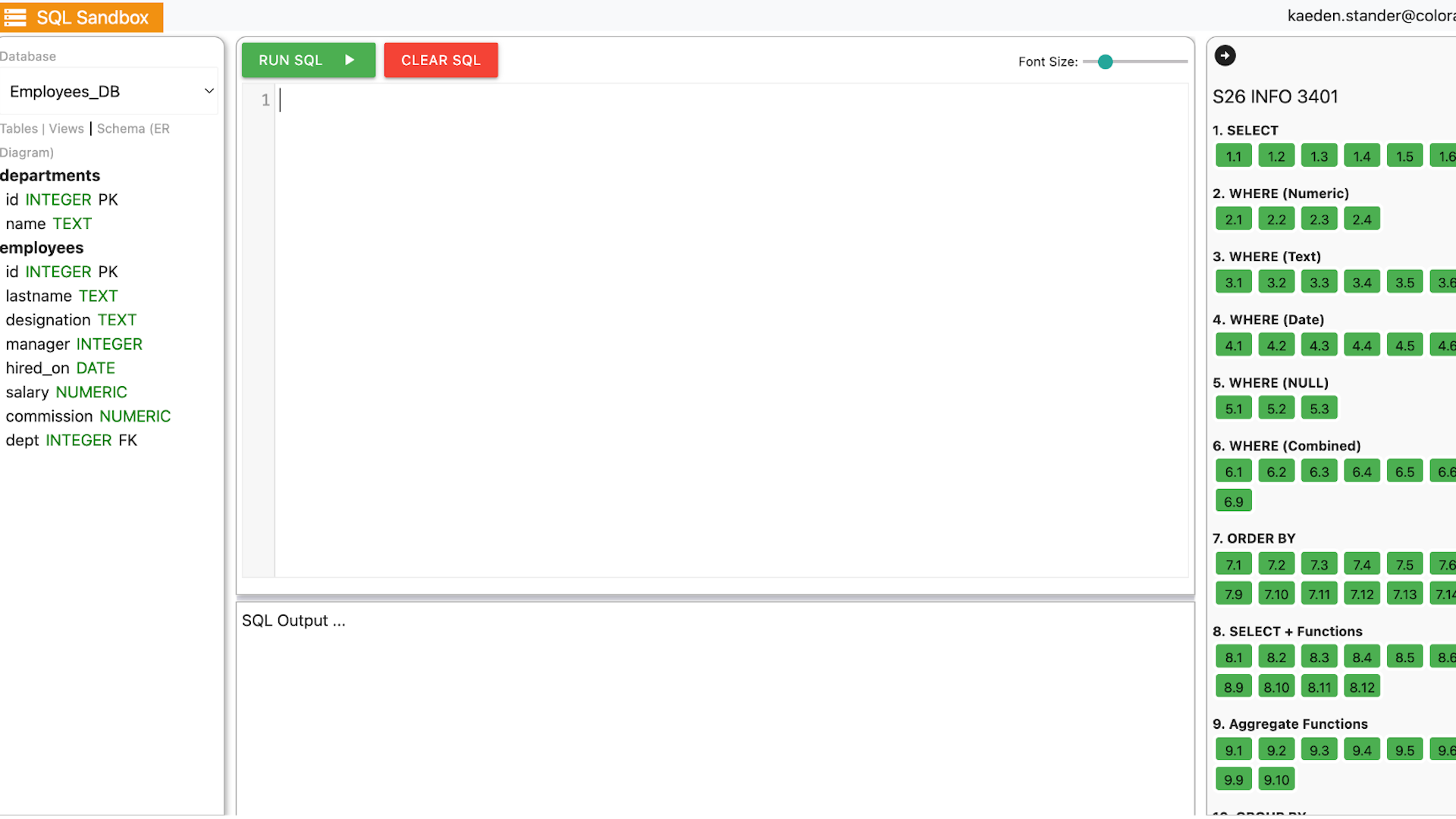
The project involved designing, querying, and analyzing relational databases using advanced SQL techniques including joins, subqueries, aggregate functions, window functions, and data manipulation operations. Every query was written and tested against real table structures and relationships, not abstract syntax exercises, so the portfolio reflects how these techniques actually get used when the underlying data has real constraints and real relationships to respect, not a simplified dataset built to make the syntax easy.
Each component of the project was designed to showcase practical skills in extracting meaningful insights from structured data, emphasizing both technical accuracy and analytical clarity. A correct query that no one else can follow the logic of isn't actually useful in a real work setting, so documentation and reasoning mattered as much as the SQL itself throughout the portfolio, every solution needed to explain not just what it did, but why that approach was the right one.
The Issue
Organizations rely heavily on relational databases to store and manage critical business data, yet extracting actionable insights requires deep understanding of SQL query construction and optimization, not just familiarity with basic syntax. A query that technically runs and a query that runs correctly, efficiently, and produces something a decision-maker can actually trust are often two very different things, and the gap between them is exactly where real database skill lives.
The challenge was to demonstrate mastery of SQL concepts ranging from basic data retrieval to complex multi-table queries, while maintaining data integrity and producing results that inform real business decisions. That meant treating every scenario in the portfolio as if it had actual stakes, not just a syntax box to check, since the entire point of the exercise was proving the skill would hold up outside a classroom context, where a wrong join or an unfiltered aggregate doesn't just cost a grade, it costs someone downstream making a decision on bad numbers.
Key Objectives
Demonstrate proficiency in SQL querying across multiple relational database scenarios.
Design and execute complex queries using joins, subqueries, and aggregate functions.
Apply window functions and advanced SQL techniques for analytical reporting.
Showcase data manipulation capabilities including INSERT, UPDATE, and DELETE operations.
Produce clear, well-documented SQL solutions that demonstrate logical problem-solving.
Build a comprehensive portfolio piece demonstrating database analysis skills.
My Role & Impact
Query Design
Designed and wrote all SQL queries from scratch, ensuring optimal structure and readability rather than just technically correct syntax. Every query was built to be something another analyst could actually trust.
Data Analysis
Analyzed query results to extract meaningful insights and validate data integrity, treating each result set as something that needed to be trustworthy, not just returned.
Structured Documentation
Produced comprehensive documentation explaining query logic, design decisions, and results, so the reasoning behind each solution was as clear as the solution itself.
Problem Solving
Approached each database scenario as a real-world business problem requiring structured analytical thinking, not an isolated syntax exercise to complete and move past.
The Process
- Reviewed each database scenario and identified the key data relationships and business questions to answer before writing a single line of SQL, since a well-constructed query starts with understanding what's actually being asked, not with the syntax that will eventually answer it. Skipping straight to the query is the fastest way to write something that runs cleanly but quietly answers the wrong question.
- Designed query strategies considering table structures, relationships, and optimal join patterns, working out how the data actually connected before committing to a specific approach, since the wrong join strategy chosen early tends to compound into messier queries later and forces rework that a little upfront planning would have avoided. Mapping the relationships first also made it easier to spot which joins were actually necessary versus which ones just seemed obvious at a glance.
- Wrote and tested SQL queries iteratively, refining for accuracy and performance, checking not just whether a query returned the right answer but whether it got there efficiently, since a technically correct query that takes an unreasonable path to its answer isn't actually a solution in a real production environment. Testing against edge cases mattered here too, a query that works on a clean sample dataset can still fall apart against nulls, duplicates, or unexpected data shapes it wasn't explicitly built to handle.
- Applied advanced techniques including window functions, CTEs, and complex subqueries where appropriate, documented each solution with clear explanations of the approach and reasoning, then compiled it all into a cohesive portfolio demonstrating progressive SQL mastery, structured so the growth from one piece to the next is actually visible. The documentation wasn't an afterthought bolted on at the end, it was written alongside each query so the reasoning stayed accurate to what was actually built, not a reconstructed explanation written after the fact.
The Solution
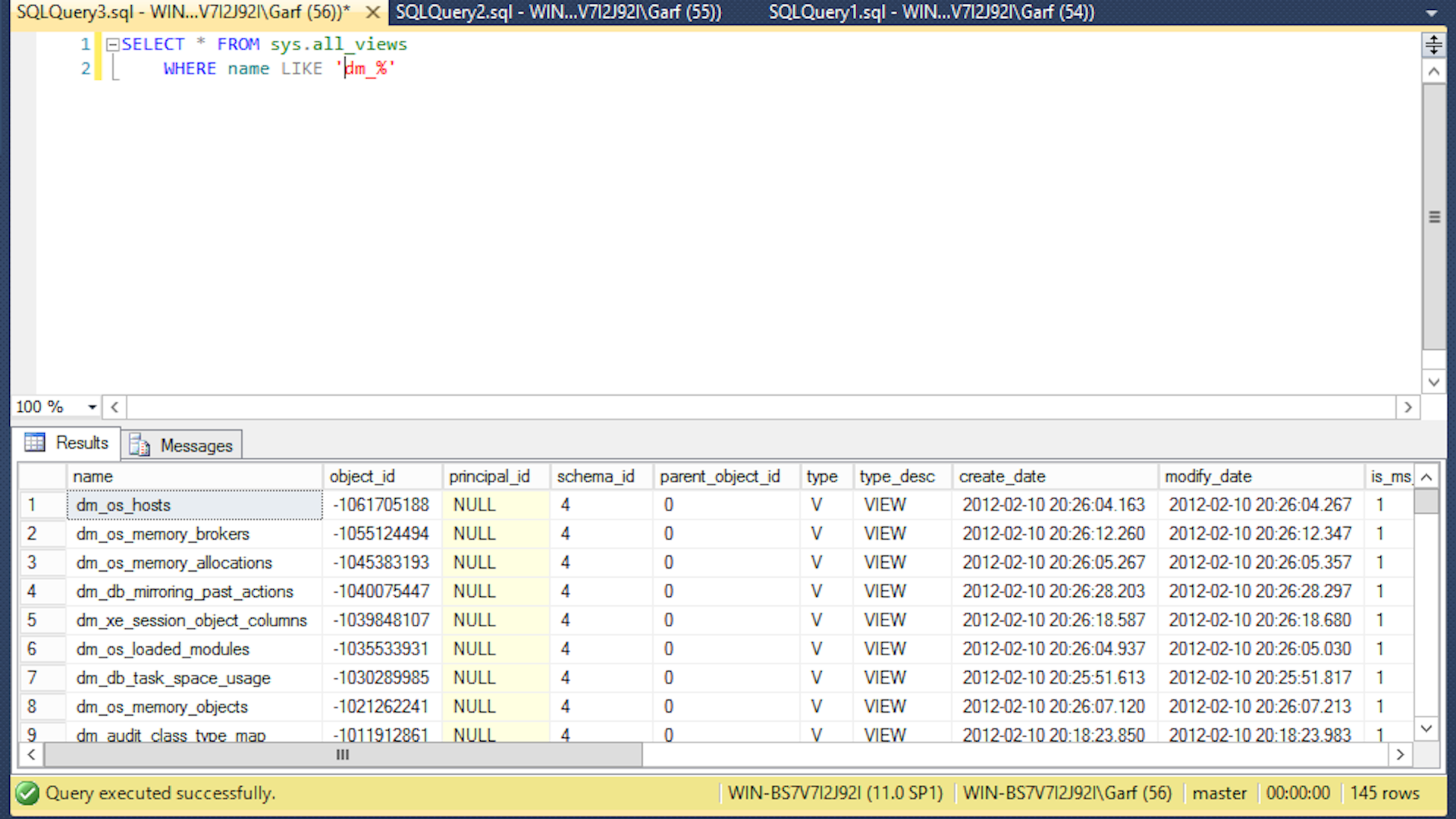
Delivered a comprehensive SQL portfolio demonstrating proficiency across the full spectrum of relational database querying, from fundamental SELECT statements to advanced analytical queries using window functions and complex joins. Each piece was built to stand on its own as a real solution to a real scenario, not a syntax demonstration disconnected from any actual use case, which meant every query needed a reason to exist beyond just proving a technique could be used, a real question behind it that the SQL was actually answering.
The project reinforced critical skills in structured data analysis, query optimization, and clear technical documentation, capabilities directly applicable to data-driven roles in policy research, business intelligence, and technology governance. The same instinct that shows up across my other work, structure the information so the insight is actually usable, not just technically present, held just as true here as it does in a data visualization dashboard or a governance framework, whether the underlying medium is a query, a map, or a policy document, the discipline of getting to a trustworthy, actionable answer stays the same.
Common Questions
Frequently Asked Questions
A SQL portfolio built to prove the skill holds up on real business scenarios, not just syntax exercises, treating every query as if a real decision depended on getting it right.