The AD Club of NY Digital Platform and Website Development
Skills
Collaborators
Resources
About the Project
Project Overview
From March to June 2021, I contributed to the development of The AD Club of NY website during my time at Switchpoint Software Design. The objective was to build a professional, user-friendly platform that clearly communicated the organization's mission, programs, and community impact, work that mattered more than a typical corporate site build, since a nonprofit's website often serves as the first and sometimes only impression a stakeholder or prospective member ever gets of the organization's actual work.
The project focused on strengthening the organization's online presence through improved site architecture, navigation, and performance, working in WordPress to deliver a responsive, brand-aligned experience. That meant treating structure and navigation as more than a technical exercise, a well-organized site had to actually reflect how The AD Club of NY's programs and community initiatives connected to each other, not just present them as a flat list of pages.
Working directly with Bruce at Switchpoint meant every content and structural decision stayed grounded in how the organization actually operates day to day, not built around generic assumptions about what a nonprofit site should look like. Three months of active collaboration meant the build could iterate based on real feedback rather than shipping a single fixed version and walking away.
The Issue
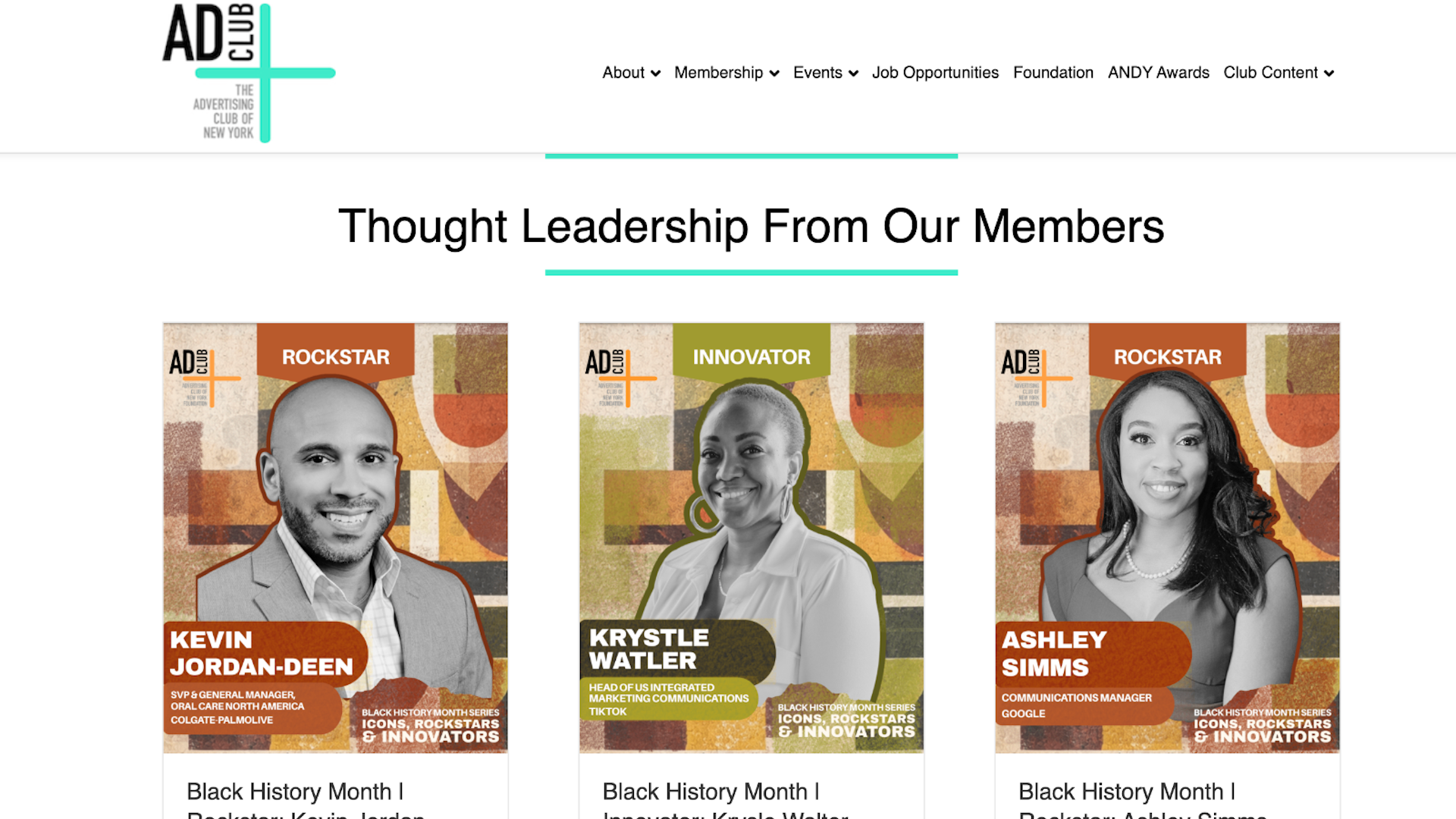
The AD Club of NY needed an updated digital presence that could effectively communicate its mission, programs, and community impact to a diverse audience of advertising professionals and stakeholders. Reaching that range of people meant the site had to work equally well for a longtime member browsing programs and a prospective partner encountering the organization for the very first time.
The existing site required improvements in structure, navigation, content management, and cross-device responsiveness to meet modern web standards and nonprofit engagement goals. Falling behind on any one of those fronts, confusing navigation, inconsistent media, a broken mobile experience, risked undermining the credibility a nonprofit depends on to engage donors, members, and advertising industry stakeholders alike.
Key Objectives
Support WordPress development and implement web design best practices.
Improve site structure and navigation to enhance user experience.
Manage content updates and organize media assets for consistency and clarity.
Integrate plugins and tools to improve performance, accessibility, and functionality.
Ensure the website aligned with nonprofit branding and engagement goals.
Coordinate workflows and maintain organized file systems using Google Drive.
My Role & Impact
WordPress Development
Supported development and implemented web design best practices for the nonprofit platform, including integrating plugins and tools to improve performance, accessibility, and functionality.
Site Architecture
Improved site structure and navigation to enhance user experience and content discoverability, treating structure as something that had to reflect how the organization's actual programs connect.
Content Management
Managed content updates and organized media assets for consistency and clarity, keeping the site visually and structurally coherent as new content came in.
Collaboration With Others
Worked closely with Bruce at Switchpoint to streamline content management and ensure brand alignment, keeping every decision grounded in how the organization actually operates.
The Process
- Assessed the existing site structure and identified areas for improvement in navigation and content organization before making any changes, since fixing structure without first understanding what was actually confusing users risked solving the wrong problem. That assessment meant walking through the site the way a first-time visitor would, not just reviewing it as someone who already knew where everything was supposed to live.
- Implemented WordPress development best practices to strengthen the platform foundation, then improved site architecture and navigation for better user experience across devices, treating desktop and mobile as equally important audiences rather than designing for one and hoping the other held up. A nonprofit's audience skews toward exactly the kind of casual, on-the-go browsing that punishes a site not built with mobile as a genuine priority from the start.
- Managed content updates and organized media assets for visual consistency, and integrated plugins to enhance performance, accessibility, and functionality, work that mattered as much as the visible design since a nonprofit site slow to load or hard to navigate on a screen reader undermines the same trust the design work is meant to build. Accessibility in particular wasn't treated as an afterthought bolted on at the end, since an advertising industry organization reaching a genuinely diverse audience needed a site that actually worked for all of them, not just the majority.
- Coordinated workflows and maintained organized file systems using Google Drive throughout the project, keeping content, assets, and communication with Bruce organized enough that the collaboration stayed efficient across the full three-month engagement rather than losing time to disorganized handoffs. That organizational discipline mattered more on a live production project than it might on a standalone build, since changes were going out to a real, active site the whole time, not accumulating in a staging environment waiting for one big launch.
The Solution
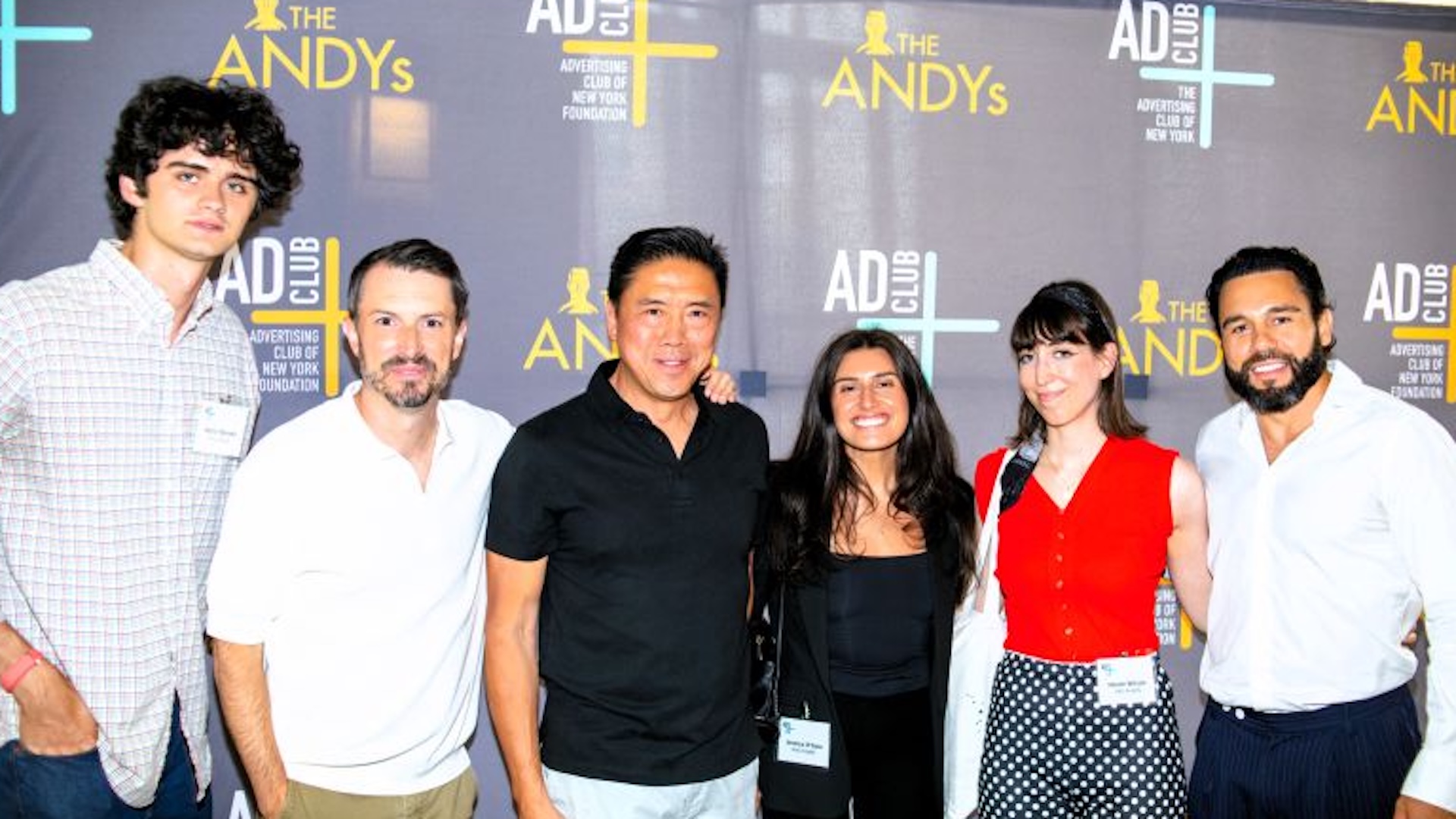
Delivered an improved digital presence for The AD Club of NY with strengthened site architecture, better navigation, and responsive design aligned with the organization's nonprofit branding and engagement goals. The result was a site built to serve two different audiences at once, existing members navigating programs they already knew, and prospective stakeholders encountering the organization's mission for the first time, without either group feeling like the site was designed primarily for the other.
The project built practical WordPress development and site architecture skills, along with experience applying design thinking to a real nonprofit environment and collaborating across a live production project. Working within an active organization's real constraints, existing content, existing brand expectations, existing member base, rather than a greenfield build, reinforced a skill that shows up across my other web work: improving something that already exists takes a different kind of judgment than building from a blank page, since every decision has to account for what's already there instead of starting from nothing. That constraint-driven approach, working with what an organization already has rather than replacing it wholesale, is the same instinct that shaped how I approached TraintoAdapt's iterative V1-to-V2 build and Accountingfly's two-phase development.
Common Questions
Frequently Asked Questions
A nonprofit's digital presence rebuilt for two audiences at once, longtime members and first-time stakeholders, without favoring either one.